How I Work
No two schools, nurseries or education projects have exactly the same context, strengths or priorities. I begin by understanding the organisation before recommending support, so that the work reflects what is already in place, what matters most and what can realistically be sustained.
Principles that guide my work
Understand the context
Effective support begins with understanding the organisation’s community, culture, stage of development, existing capacity and current priorities. Recommendations will respond to that context rather than assume that the same approach will work everywhere.
Build strong foundations
Sustainable development is supported by clear systems, shared expectations and effective leadership structures. I help organisations consider how these foundations can best support consistent practice and continued development.
Work collaboratively
I work alongside owners, leaders and teams through professional dialogue, reflection and shared decision-making. The organisation retains ownership of its development.
Focus on sustainable improvement
The purpose of consultancy is not to create long-term dependence on external support. My aim is to strengthen internal capability, develop confidence and establish systems that can continue after the consultancy work ends.
Be honest and constructive
I acknowledge existing strengths while communicating development priorities clearly. Where thoughtful challenge is needed, I provide it professionally and constructively, with a focus on practical next steps.
From the first conversation to practical next steps
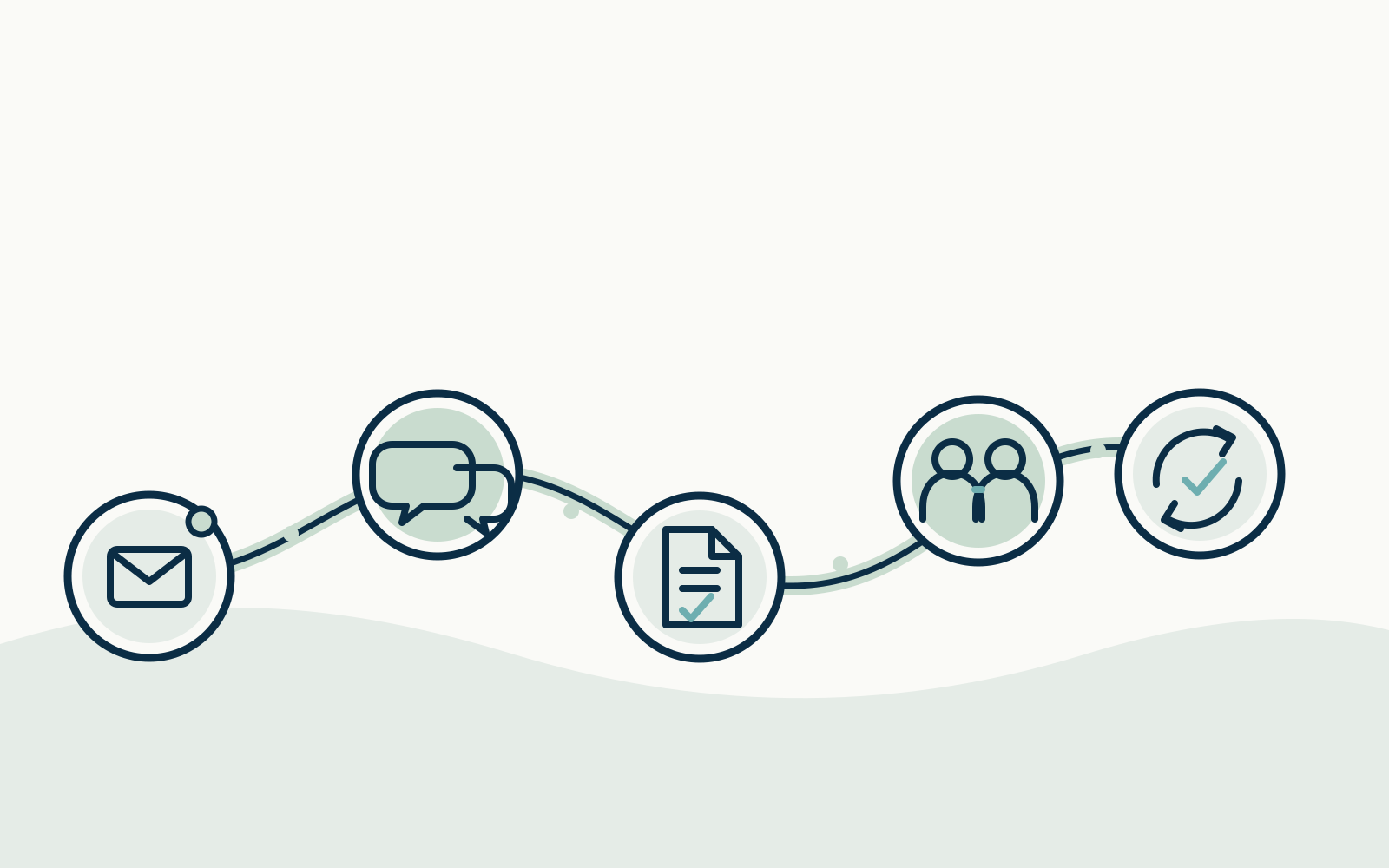
The precise process will depend on the nature of the work, but most engagements follow five broad stages.
1. Initial enquiry
You contact me with brief information about your organisation, the situation you are considering and the type of support you would like to explore.
You do not need to have identified a particular service or solution before getting in touch.
2. Exploratory conversation
We arrange an initial conversation to discuss:
Your organisation and its context
What has prompted the enquiry
Current strengths, concerns and priorities
The people who would be involved
The likely scope and timing
Whether my expertise and approach are the right fit.
The purpose of this conversation is to establish context, fit and possible scope. Detailed analysis and recommendations form part of an agreed consultancy engagement rather than the exploratory conversation.
3. Agreed proposal
Where there is a suitable fit, I prepare a written proposal setting out:
The purpose and intended outcomes of the work
The agreed scope
Proposed activities and deliverables
Delivery format
Timescale
Responsibilities and points of contact
Fees and payment arrangements
Any relevant boundaries or exclusions
Work begins once the scope, responsibilities, timescale and fees have been agreed.
4. Delivery and collaboration
Depending on the engagement, the work may involve observation, review, document analysis, meetings, professional learning, coaching, mentoring or ongoing advisory support.
Communication arrangements, access requirements and key points of contact are established at the beginning. I remain focused on the agreed priorities while responding thoughtfully to relevant information that emerges during the work.
5. Reflection and next steps
At the end of the engagement, I review the work with the client and clarify:
Key findings or outcomes
Progress made
Remaining priorities
Recommendations for practical next steps
Whether any follow-up support would be useful
There is no expectation that an engagement should continue beyond the point at which it remains useful and appropriate.
Ways of working together
Support may be provided:
On-site
Remotely
Through a blended approach
As a focused review
As a defined development project
Through a workshop or professional learning programme
Through leadership coaching or mentoring
As advisory support over an agreed period
Through a combination shaped around the organisation’s needs
I am based in Cairo and work with schools, nurseries and education organisations internationally. The format, frequency and duration of the work are agreed in advance and reflect the purpose of the engagement.
What clients can expect

My approach combines substantial practical leadership experience with evidence-informed thinking and careful attention to context.
When working with me, clients can expect:
Careful preparation and clear, professional communication
Advice grounded in practical Early Years and school leadership experience
Time taken to understand existing strengths, priorities, capacity and culture
Evidence-informed thinking applied thoughtfully rather than through a generic model
Constructive professional challenge communicated with respect
Clear, practical and prioritised recommendations
A focus on approaches and systems the organisation can realistically sustain
Discretion and appropriate confidentiality
Honest communication about the boundaries of my expertise
Clarity around agreed deadlines, responsibilities and deliverables
I will communicate openly if the scope needs clarification, if circumstances affect what can reasonably be achieved or if another form of expertise would better meet the organisation’s needs.
A shared responsibility
Effective consultancy is a collaborative process. It is most successful when the client organisation provides:
A clear senior point of contact
Appropriate access to relevant people, environments and documentation
Honest information about current strengths and challenges
Sufficient time for leaders and staff to participate
Openness to professional reflection and constructive discussion
Ownership of agreed actions and implementation
I provide analysis, guidance, development and support throughout the engagement. Lasting improvement is supported by the organisation’s active involvement and continued ownership of the work.
Clear professional boundaries
The scope and intended deliverables are agreed before work begins. If substantial additional needs emerge, we discuss whether these can be accommodated through a revised agreement rather than allowing the original engagement to expand without clarity.
Confidentiality, information-sharing and data-handling expectations are established as appropriate to the work.
My recommendations are advisory. Responsibility for organisational decisions, implementation and ongoing oversight remains with the client.
Quality-review, regulatory and inspection-readiness support can help an organisation evaluate its current position and identify priorities, but it cannot guarantee a particular compliance judgement or inspection outcome.
Safeguarding consultancy supports the development of stronger culture, systems and practice. It does not replace the safeguarding responsibilities, professional accountability or applicable obligations held by the organisation and its designated safeguarding personnel.
Starting a conversation
If you would like to discuss your organisation’s priorities and what support may be helpful, you are welcome to get in touch.